



Business English Tip of the Week
 Every week we publish a business English tip concerning different aspects of business English. Topic areas include writing, speaking, listening, grammar, vocabulary, pronunciation, exams as well as general English. Many tips include audio clips. To receive 'Business English Tip of the Week' by email, just subscribe to the newsletter from the link above.
Participating in Business Meetings |
21 Apr 2024
|
|
In a business meeting, there are two situations in which people often run into difficulties. These are when you want to interrupt someone who is speaking, for whatever reason, and when you are asked to comment on something you don't want to comment on (either because you don't have enough information to give your opinion, or because you
Or use that wonderful word, "sorry":
"Sorry" makes an interruption of a meeting a little more polite.
Using "I'm afraid" is better here than "I'm sorry", as "I'm sorry" puts the blame on you and indicates that it is your fault, while "I'm afraid" just indicates that you may feel some regret, but it is not necessarily your fault.
|
|||||
Should vs Ought to vs Must vs Have to
Tips for Effective Negotiations
Include One Idea per Sentence
Explaining Procedures – Sequence words and phrases
Open Punctuation /Full Blocked Layout Style
Speaking English on the Telephone
Using Prepositions with Times & Dates
Improving Intonation in English
Increasing Specific Vocabulary
Telephone Courtesy
Using Question Tags
Leaving Telephone Messages
Overused Words
Business Presentations – Signposting
Making introductions in Business Settings
General Tips to Improve your English
Improving your English through Reading
Telephone Talk General Advice
What can you do to improve your spoken English
Subscribe to Workplace English Training E-Platform
Improve your business English through the world’s best and most comprehensive online platform
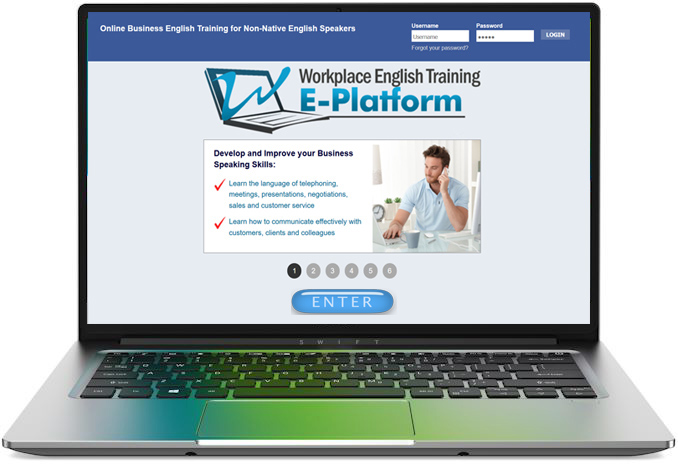
INCLUDES:
 Business English level test
2000+ online lessons/interactive exercises
My Learning Path module (members build their own courses from our content).
My Courses module (members can select from a number of course options).
Database of sample business documents
Library of 2600+ downloadable offline training resources
Podcast lessons, tips, ebook training guides, fun stuff
Student Helpline
Key Benefits
- Focus only on the English you need for work.
- Learn at your own pace in your own time.

Business English Tip of the Week
Latest Newsletters
- Business Word/Phrase of the Day - A COMPANY MAN
- English Bites! - A Funny Business Letter
- In-Depth Tips from Dr English - Questioning Techniques: 5 Types of Question Structures
- Business English Tip of the Week - Participating in Business Meetings
- Workplace English Podcasts - BEP 63: Business Presentations - Referring to Visual Aids
Business English Tip Categories
- Monthly Quiz Archive (17)
- Business Speaking (53)
- Business Reading (2)
- Business Grammar (22)
- Business Vocabulary (12)
- General English (8)
- Business Writing (20)